Pop’s FTP: The Federal Theatre Project

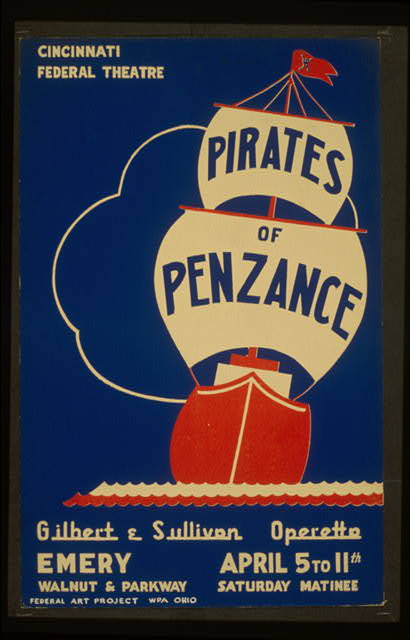
Cincinnati WPA production, 1937

Cincinnati WPA production, 1937

In Radio Girl, being a sound effects expert gets Cecelia’s father a job traveling for the FTP, the Federal Theater Project, in 1937-38. What’s that all about?

One way President Roosevelt tried to put people back to work during the Depression was to start up government funded programs. This was called the WPA, the Works Progress Administration and was known as Roosevelt’s “New Deal.” Cool slide show of New Deal projects. Under this heading came the Federal Theatre Project, designed to put actors and theater people to work around the country and “to dramatize and expose social issues.” source
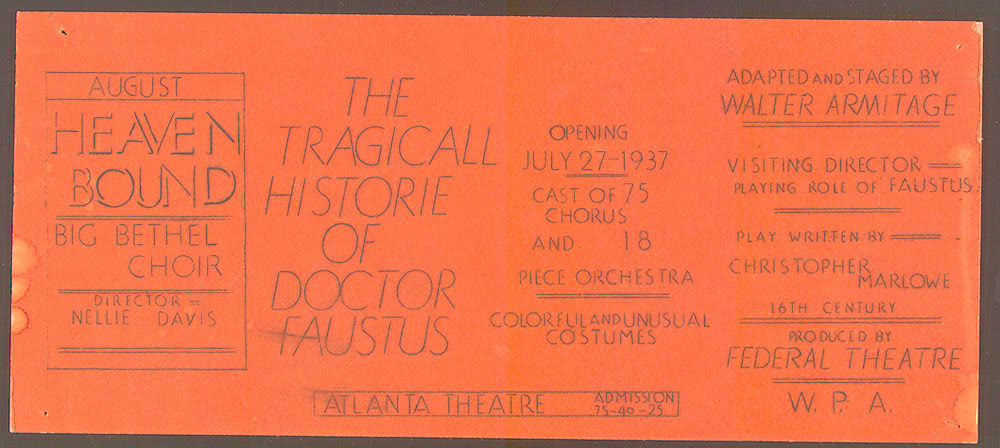
Doctor Faustus, poster from the New Orleans production, 1937. (source: LOC)

Doctor Faustus, poster from the New Orleans production, 1937. (source: memory.LOC.gov)

See way more photos here!

Show business tech theater people like Jack Maloney went all over the country, reviving local playhouses by updating their sound and lighting systems.

Did it work? Was the FTP a success? That’s still a matter of debate. But it did produce some amazing works of drama. Take, for example, this portion of the 1936 FTP production of MacBeth, directed by none other than Orson Welles. The entire cast is made up of African Americans from Harlem, a cast of both professional actors and everyday people. Nothing like it had ever been staged before:

====================
Photo of CarolCarol Brendler is the author of the young adult novel RADIO GIRL (Holiday House) September 5, 2013.
Coming 2014: A picture book, NOT VERY SCARY, illustrated by Greg Pizzoli, from FSG.
Also by Carol Brendler: WINNIE FINN, WORM FARMER (FSG, 2009) a picture book illustrated by Ard Hoyt.
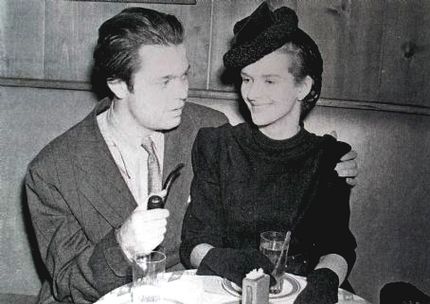
About Orson, Plus Bonus Dracula

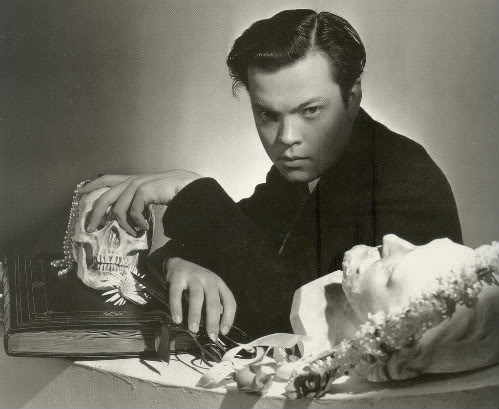
2013-03-11 09.43.37Although Radio Girl is fiction, Orson Welles (who plays a role in Cece’s story) is, or was, altogether real. In the summer of 1938 he was just married, a new father, and a rising star in the entertainment industry, both in live theater and on the radio. At age 23.

While he spent his days and nights rushing from broadcast studio to broadcast studio to the Mercury playhouse to his apartment in New York, to dinners out and meetings and more, the public’s awareness of him grew. In ’38, he took on the role of The Shadow for the Mutual Broadcasting System, one of their most popular characters. He was offered his own program that summer, a Sunday night series of classic literature pieces adapted for radio, with him, his awesome deep voice, both narrating and playing one or more of the major roles. Originally to be called “First Person Singular” it was changed to “The Mercury Theater on the Air” at the very last minute.

owvirginianicholson

Orson Welles, with his first wife, Virginia.

Many of these Mercury programs were recorded (although they were always broadcast live) so it’s not hard to find them online and hear Mr. Welles for yourself. Here’s the Mercury Theater’s “Dracula”, broadcast on July 11 , 1938.


Source: Archive.org

Readers of Radio Girl will remember this production (moved to an autumn date in the novel) which Cece watches through the plate glass window.

====================
Photo of CarolCarol Brendler is the author of the young adult novel RADIO GIRL (Holiday House) September 5, 2013.
Coming 2014: A picture book, NOT VERY SCARY, illustrated by Greg Pizzoli, from FSG.
Also by Carol Brendler: WINNIE FINN, WORM FARMER (FSG, 2009) a picture book illustrated by Ard Hoyt.